

Phosphorus What Type/forms Or What Is The Makeup Of Phosphorus This Nutrient?
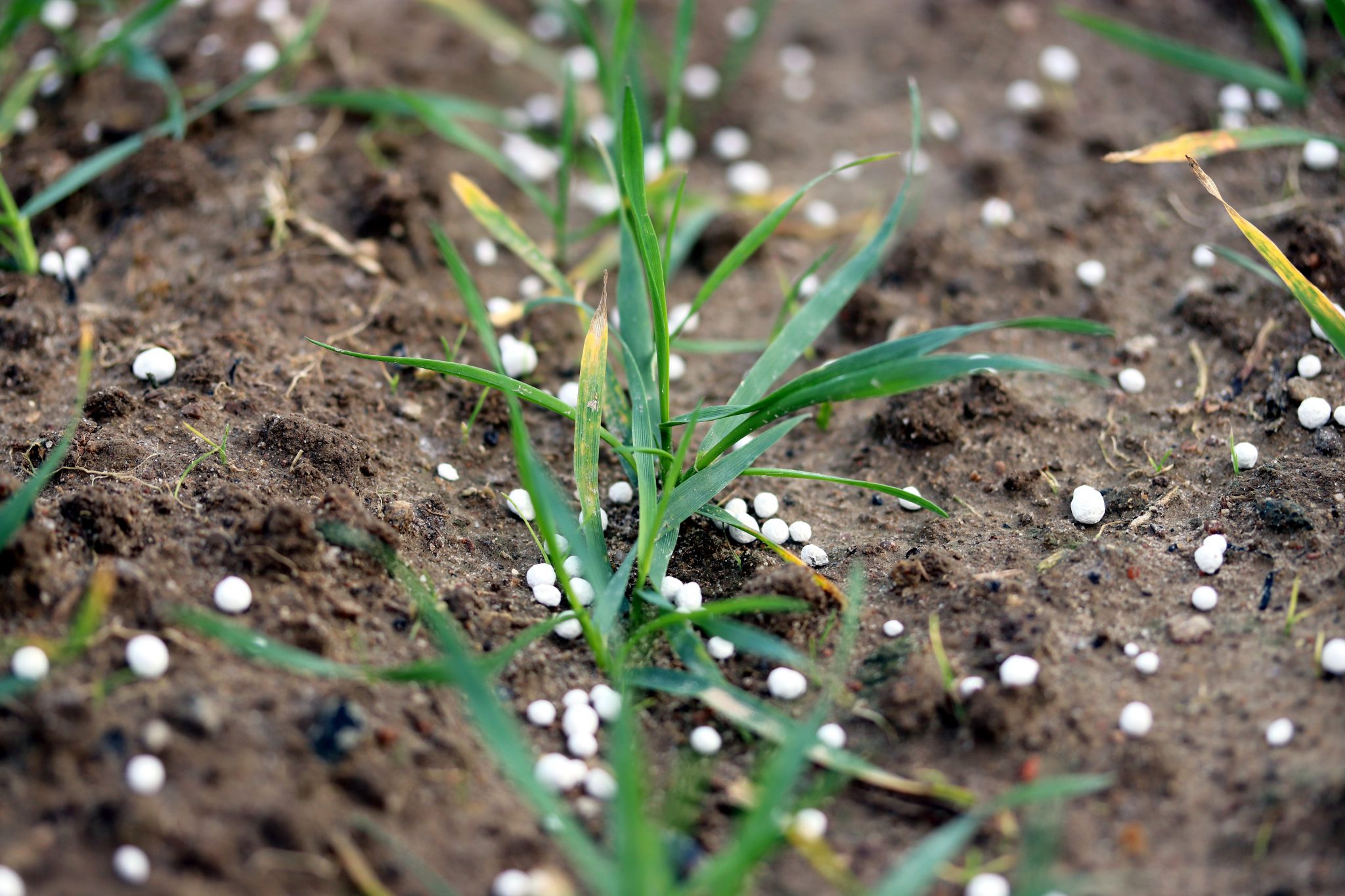
Phosphorus (P) is essential to all forms of life on this planet. It is an essential nutrient necessary for growth and development of plants and animals on which our nutrient supply depends.
Phosphorus constitutes near 0.2 percentage of a plant's dry weight, where it is primarily a component of tissue molecules such as nucleic acids, phospholipids, and adenosine triphosphate (ATP). After nitrogen (N), phosphorus (P) is the second about limiting nutrient. It tin can reduce plant growth and development and potentially limit crop yield. All the same, backlog phosphorus in soil can be detrimental to the surround considering it tin enter freshwater bodies through surface runoff and tin can cause algal bloom reducing water quality. Improved phosphorus management can create assisting crop production systems while reducing negative impacts on the environment. The objective of this certificate is to understand phosphorus forms, transformation, and cycling in the soil. Phosphorus wheel is unique and dissimilar from the nitrogen cycle because phosphorus does not be in a gaseous class. This document provides basic information on the various forms of phosphorus nowadays in the soil and the processes that affect phosphorus availability for crop production.
Phosphorus Forms Present in the Soil
Soil phosphorus is establish in two forms, namely organic and inorganic (figure 1). These two forms together make up the full soil phosphorus. Although total soil phosphorus is generally high, with concentrations ranging from 200 to vi,000 pounds per acre, 80 percent of this phosphorus is immobile and not available for uptake by the found.
Approximately xxx to 65 per centum of full soil phosphorus is in organic forms, which are non plant available, while the remaining 35 to 70 percent is in inorganic forms. Organic forms of phosphorus include dead plant/animal residues and soil micro-organisms. Soil micro-organisms play a key part in processing and transforming these organic forms of phosphorus into plant available forms. The inorganic phosphorus forms can be classified to exist in 3 different pools:
- Institute-bachelor (soil solution) phosphorus: This pool is comprised of inorganic phosphorus dissolved in h2o/soil solution that is readily bachelor for plant uptake.
- Sorbed phosphorus: This phosphorus pool is comprised of inorganic phosphorus attached to dirt surfaces, iron (Fe), aluminum (Al), and calcium (Ca) oxides in soil. The phosphorus in this pool is released slowly for found uptake.
- Mineral phosphorus: This phosphorus puddle is comprised of chief and secondary phosphate minerals present in soil. Examples of primary phosphorus minerals include apatite, strengite, and variscite. The secondary phosphorus minerals include calcium (Ca), fe (Fe), and aluminum (Al) phosphates. The release of phosphorus from this pool is extremely wearisome and occurs when the mineral weathers and dissolves in soil water.
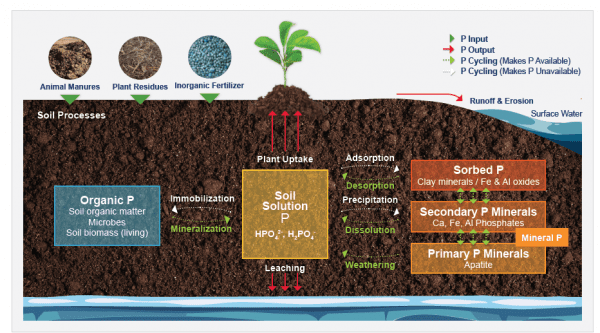
Effigy 1. Soil phosphorus cycle. This figure illustrates the sources of phosphorous inputs in the soil, pathways through which phosphorus becomes available/ unavailable for plant uptake, and phosphorus outputs/ loss pathways.
Phosphorus Cycling and Transformation in the Soil
Once phosphorus enters the soil through chemic fertilizers (inorganic source), manure, biosolids, or dead plant or fauna debris (organic sources), it cycles between several soil pools via processes such as mineralization, immobilization, adsorption, precipitation, desorption, weathering, and dissolution. Following are explanations of these processes:
Mineralization and Immobilization
Mineralization is a process through which organic phosphorus in soil is converted into inorganic phosphorus with the help of soil microbes. Immobilization, on the other hand, is the contrary of mineralization. During immobilization, inorganic phosphorus forms are converted back to organic forms and are absorbed into the living cells of soil microbes. Immobilization typically occurs when ingather residues are incorporated in the soil. Every bit crop residues decompose, more phosphorus becomes available in the soil solution through mineralization. Because mineralization and immobilization processes are biological processes, they are highly influenced past soil moisture, temperature, pH, organic carbon to organic phosphorus ratio of ingather residues, microbial population, etc.
Adsorption and Desorption
Adsorption is a process in which phosphorus present in soil solution is fastened/bound to the surface of soil particles. The phosphorus bounden takes place on dirt surfaces or the fe (Iron) and aluminum (Al) oxides and hydroxides nowadays in soil. Adsorption is a fast process and reversible in nature, meaning that adsorbed phosphorus can be released into soil solution via a procedure known as desorption and will be available for establish uptake.
Soils containing greater concentrations of iron and aluminum oxides have greater potential to adsorb phosphorus than soils with relatively low iron and aluminum oxides. Some other soil belongings that favors phosphorus adsorption is the clay content. Soils with greater clay content take higher adsorption chapters than coarse textured sandy soils.
Weathering, Precipitation, and Dissolution
Soil contains minerals that are rich in phosphorus. These minerals are classified into primary and secondary minerals. Minerals break down over time (a process referred to as weathering) and release phosphorus in the soil solution for plant uptake. Primary minerals such as apatite are very stable and resistant to weathering. Hence, phosphorus is released very slowly compared to secondary phosphorus minerals such as calcium, iron, or aluminum phosphates.
Precipitation on the other hand is a process by which metal ions such as Al3+ and Iron3+ (these ions are dominant in acidic soils) and Ca2+ (ascendant in calcareous soils) react with phosphate ions present in the soil solution to form minerals such as Al-, Fe-, or Ca-phosphates. Precipitation is a slow process and involves a permanent change into metal phosphates. These metal phosphates can release phosphorus in soil solution upon dissolution, but the release rate is very dull.
Dissolution is a course of weathering when the phosphate minerals dissolve and release phosphate back into the soil solution.
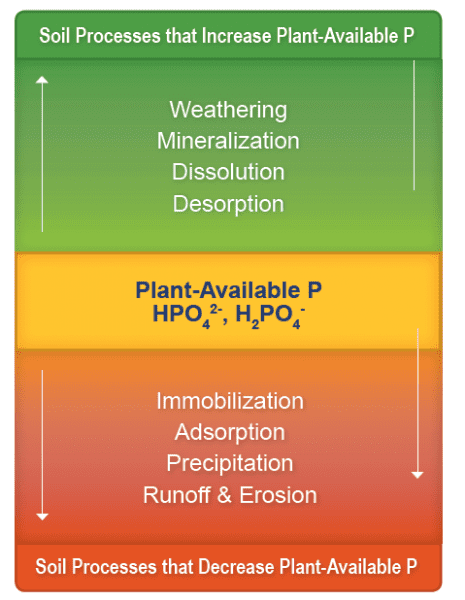
Figure 2. Soil processes that touch on phosphorus availability for found uptake.
Phosphorus Loss
Phosphorus is removed from soil by (a) crop/plant uptake, (b) runoff and erosion, and (c) leaching (effigy 1). Surface runoff is the major pathway for phosphorus loss from soils. Runoff water carries away both soluble (dissolved) phosphorus and particulate (eroded soil particles) phosphorus from soil surface. Leaching is the loss of soluble phosphorus from sub-surface soil as water percolates vertically down the soil profile. In general, phosphorus loss by leaching is minimal compared to surface runoff.
Factors Influencing Phosphorus Availability in the Soil
While the processes such as weathering, dissolution, mineralization, and desorption increment phosphorus availability in the soil for constitute uptake, processes such as immobilization, adsorption, precipitation, runoff, and erosion decrease the phosphorus availability (figure 2).
In improver, phosphorus availability in soil solution is influenced by the following factors:
- Organic Thing. Organic matter is an important factor in controlling phosphorus availability. With the addition of organic matter, availability of phosphorus increases.
- This is due to the following reasons:
- Mineralization of organic affair releases plant- bachelor forms of phosphorus into soils.
- Organic molecules volition compete with phosphate adsorbed to soil surfaces and volition reduce phosphorus retentivity. This process will increase availability of phosphorus.
- This is due to the following reasons:
- Clay Content. Soils with higher clay content have high phosphorus retention capacity because dirt particles have very large surface expanse per unit book, which can adsorb phosphorus easily.
- Soil Mineralogy. The mineral limerick of the soil influences the phosphorus adsorption capacity. For example, soils with a high content of Al3+ and Fe3+also tend to have the greatest phosphorus adsorption capacity.
- Soil pH. Optimum soil pH betwixt 6 and seven volition issue in maximum phosphorus availability. At low pH (acidic soils), soils have greater amounts of aluminum and iron, which grade very stiff bonds with phosphate. At high pH when calcium is the dominant cation, phosphate tends to precipitate with calcium.
- Other factors. Temperature, moisture, and soil aeration can affect the rate of P mineralization from organic affair decomposition. For example, in warm, humid climates organic matter decomposes faster compared to cool dry climates.
Summary: Phosphorus in a Nutshell
Diverse components of phosphorus bike in soil can be correlated with the types of money in your bank. But every bit coin can be separated into categories—savings or checking accounts, the checks you carry for use every bit needed, and the cash you lot keep with you lot—phosphorus in soil can also be categorized to exist in three different accounts/pools (effigy 3).
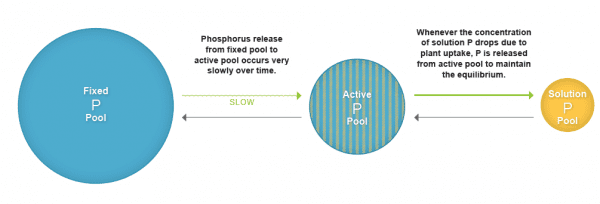
Figure iii. Phosphorus pools in the soil.
The beginning puddle (savings /checking business relationship) is called stock-still or nonlabile pool. This phosphorus puddle is largest of all the pools. This phosphorus is unavailable for plant uptake and is comprised of primary minerals (insoluble inorganic phosphate compounds) and organic phosphorus compounds that do non mineralize easily.
The 2nd pool (checks you carry) is known as the active or labile phosphorus pool. This pool consists of adsorbed phosphorus, secondary phosphate minerals, and organic phosphorus that mineralizes easily.
The third pool (cash that you deport with you) is the smallest of the pools and comprised of inorganic phosphates and a small amount of organic phosphorus. This pool, from which plants take up phosphorus, is known as the soil solution puddle.
These three pools exist in equilibrium with each other. As plants remove phosphorus from soil solution, phosphorus is replenished by the active pool. Similarly, equally phosphorus concentration in active pool decreases, phosphorus is released from fixed pool to the active pool very slowly over time. The concentration of phosphorus available to plants at whatsoever time is very depression and ranges from 0.001 mg L-1 to 1 mg 50-ane. The forms of phosphorus most readily accessed by plants are orthophosphate ions (H2POfour –, HPOfour 2-) whose availability depends on soil pH. Application of chemic fertilizer temporarily increases the concentration of the plant-available phosphorus puddle in soil and supports the plant phosphorus needs during their vegetative and reproductive stages. It is always a skillful do to check the status of phosphorus in soil through regular soil testing before applying phosphorus fertilizers. Addition of phosphorus beyond the agronomic need of crops has minimal event on crop yield. Nonetheless, the backlog phosphorus is susceptible to loss through runoff and erosion and tin promote algal growth in freshwater systems causing the degradation of water quality.
Download a PDF of Phosphorus Basics: Understanding Phosphorus Forms and Their Cycling in the Soil, ANR-2535.
Source: https://www.aces.edu/blog/topics/crop-production/understanding-phosphorus-forms-and-their-cycling-in-the-soil/
Posted by: cooperbariders.blogspot.com
0 Response to "Phosphorus What Type/forms Or What Is The Makeup Of Phosphorus This Nutrient?"
Post a Comment